REVIEW · OSAKA
Meet Osaka locals and Japanese speaking experience at Pub Umeda
Book on Viator →Operated by Welcome Tokyo · Bookable on Viator
Japanese practice feels easier with a drink. This Osaka language exchange at HUB Umeda-Chayamachi Applause is designed for real conversation, using topic cards and staff-led seat changes so you’re not stuck making polite small talk for 2 hours. I like that the setting is social but not stressful, and even shy first-timers have a clear structure to follow.
I also like the practical payoff: you can ask for Osaka recommendations for what to do and eat, and there’s a built-in 15-minute English conversation window to keep momentum if Japanese feels heavy that night. One drawback to plan for: food and drinks aren’t included, so you’ll need to buy what you want.
In This Review
- Quick highlights before you go
- The Pub Umeda meeting point: casual, easy, and public-transit friendly
- How the 3–4 person groups and seat rotation prevent awkward silence
- Topic cards and starter-style chatting: learning that actually sticks
- Getting Osaka recommendations the useful way: from locals, not lists
- The English slot: helpful structure, not a takeover
- Price and what you’re really buying for $28
- Who this is best for (and who might want to skip it)
- Hosts and atmosphere: why the room stays friendly
- Should you book Pub Umeda for language exchange?
- FAQ
- What is the meeting point for the Pub Umeda language exchange?
- What time does the experience begin?
- How long does the experience last?
- Is food included in the price?
- What is included in the $28 ticket price?
- Are Japanese beginners welcome?
- How do the groups work during the event?
- Can I cancel for a refund?
Quick highlights before you go
- Topic cards guide the chat so your Japanese has something to do
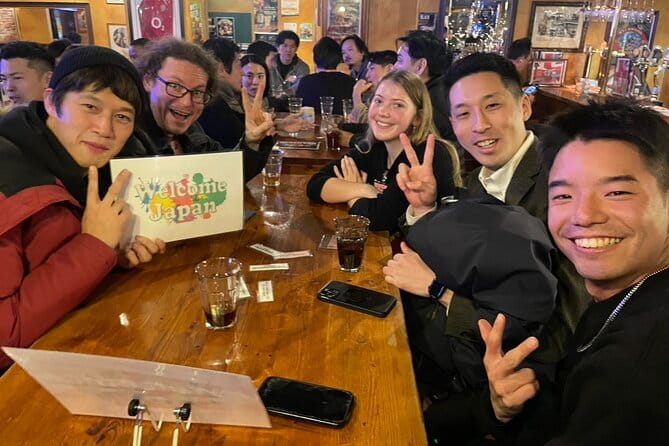
- 3–4 person mixed groups help you practice without getting lost in the crowd
- Seat rotation means you speak more than once with more than one person
- Local Osaka advice on food and activities comes straight from Japanese speakers
- All levels welcome, including total beginners, with a friendly tone
- Solo-traveler friendly, since people are there to talk, not to perform
The Pub Umeda meeting point: casual, easy, and public-transit friendly
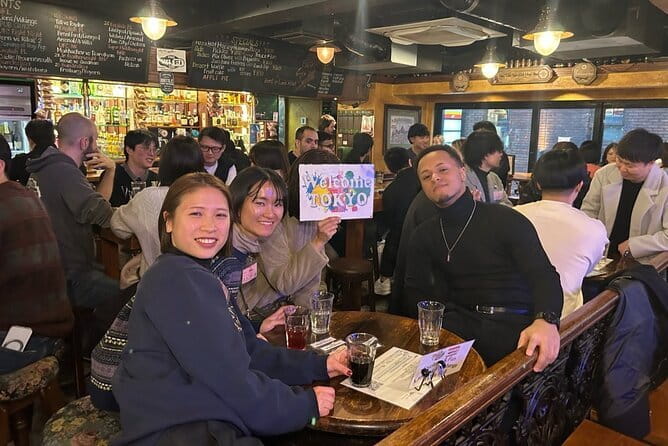
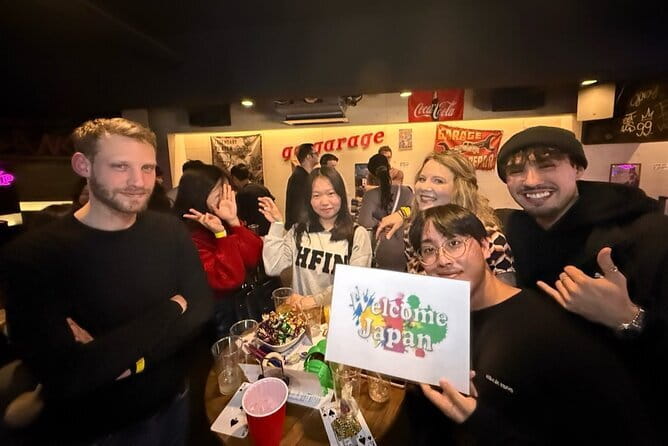
This experience starts at 7:30 pm at a pub in Umeda: HUB Umeda-Chayamachi Applause. The vibe is exactly what you want for language exchange—warm, noisy enough to keep pressure low, and familiar to anyone who’s spent time in Japanese nightlife districts. It’s also close to public transportation, which matters in Osaka where plans can change quickly once you’re out.
When you arrive, there’s a check-in step at reception. From there, you’ll buy a drink from the store. That’s not just about convenience; it nudges you into the social mode. People tend to open up faster when they’re already holding something and sitting down with others. It’s a small thing, but it works.
You’ll also get your assigned seat and a topic card (per person). That’s important. Without a structure, language exchange can turn into awkward guesswork: What do I say? What do they mean? How do I keep the conversation going? Here, you get a starting point right from the first minutes of the evening.
If you’re the type who worries you’ll be “too forward,” take note: the whole event is built for chat. Everyone’s there with the same goal—speaking, listening, swapping tips—so you’re not intruding. You’re participating.
You can also read our reviews of more tours and experiences in Osaka.


How the 3–4 person groups and seat rotation prevent awkward silence
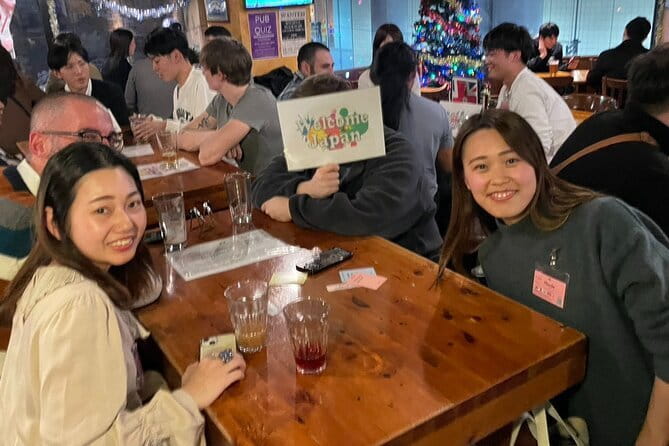
The most useful part of the format is the way it controls conversation flow. You’re split into small groups—typically 3–4 people per group, mixing Japanese speakers and international participants. Then staff reshuffle things so you get chances to speak with more than one person, not just the same chat buddy all night.
That seat rotation is the difference between an exchange that feels like a long meeting and one that actually feels like you connected with people. With a small group, you can hear yourself form sentences, and you can ask follow-up questions without shouting over the whole room. With repeated rotation, you’re exposed to more speech patterns and personalities in the same 2.5 hours.
There’s also a set schedule that includes a stretch of English conversation (15 minutes). Even if you came to practice Japanese, that built-in English time is smart. It lowers the barrier for beginners and gives you a mental reset if you’re stuck. After the English slot, you can return to Japanese with less frustration.
In plain terms: the structure removes the hardest part of practicing a language—knowing what to say next.
Topic cards and starter-style chatting: learning that actually sticks
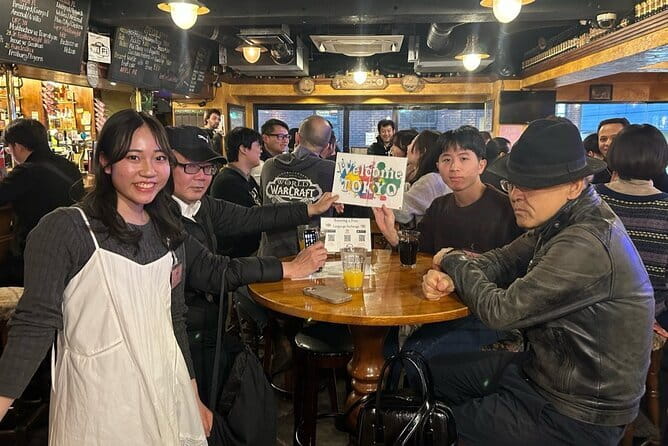
Topic cards might sound minor, but they do real work. Instead of asking generic questions like So what do you do, you get prompts that push the conversation into travel-relevant areas. You can practice question forms, polite requests, and simple follow-ups without panicking over vocabulary in your head.
The event welcomes Japanese speakers of all levels, including total beginners. That tells me the staff is ready for slow answers and simple sentences. And since groups include both Japanese and international participants, you can learn in two directions: you try your Japanese, and you also hear how others explain things naturally.
Here’s how I’d use it if you’re a beginner: prepare a couple of go-to lines before you go. Something like:
- I’m studying Japanese, please speak slowly.
- Can you recommend a local place to eat?
- What should I do in Osaka this week?
Then let the topic card guide the rest. Even when you don’t know the perfect word, you can still participate. People at these events are there to communicate, not to judge.
Also, the atmosphere is friendly enough that you may end up chatting after the event. That’s not guaranteed, but it’s a common outcome when the event is designed for real connection rather than quick networking.
Getting Osaka recommendations the useful way: from locals, not lists
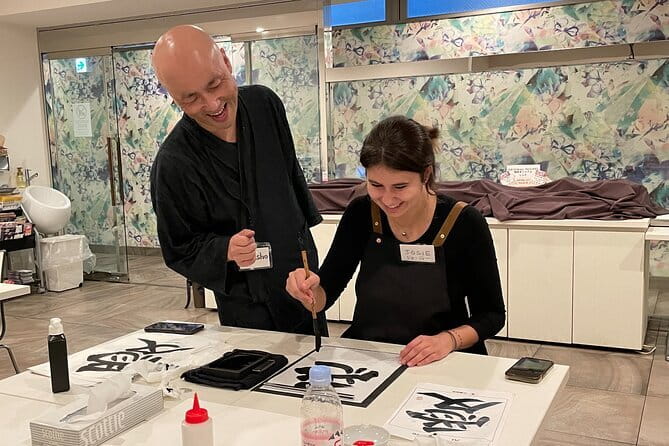
One of the best parts of this evening is the practical content you can walk away with: recommendations for things to do and eat in Osaka from Japanese-speaking locals. This is the difference between downloading a generic list and getting advice that fits your actual style.
In conversation, you can ask follow-up questions that don’t happen in guidebooks:
- Is it good even if I go late?
- Is it beginner-friendly?
- What’s the easiest way to get there from Umeda?
- What do locals order when they’re not trying to impress tourists?
The event format helps because you’ll talk to multiple people (thanks to the seat rotation). That means you’re not relying on a single opinion. You can also compare answers and notice patterns, which is often how you find the truly safe picks.
And because it’s a pub setting, some recommendations will naturally lean toward casual, day-to-night options—places where you can realistically go after work or before dinner plans.
If you’re traveling solo, this is especially valuable. You can leave with a small “mini plan” rather than just a feeling that you should explore.
The English slot: helpful structure, not a takeover
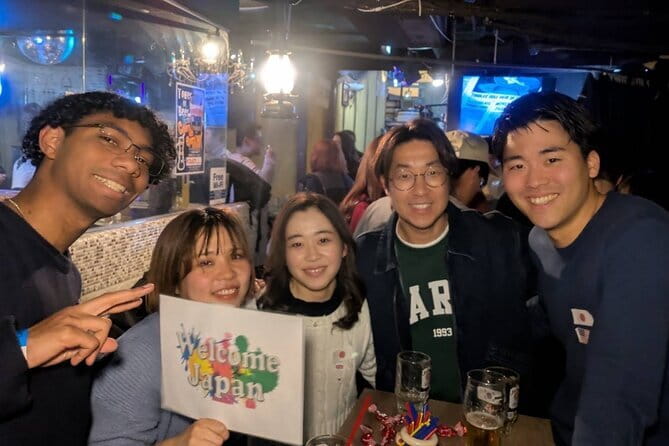
That 15-minute English conversation segment is a smart compromise. You might be there to practice Japanese, but a full event where everyone is expected to use only Japanese can shut down beginners. A short English slot keeps things moving and lets you build confidence.
The key is timing. Because it’s scheduled, you don’t lose the whole evening to translation. Instead, you get a reset and return to Japanese conversation with the bigger picture in your head.
If you’re more advanced, you can treat the English minutes as a tool, not a goal. Ask for clarification, confirm meanings, and then use what you learned to continue in Japanese. That way the English doesn’t replace your practice—it supports it.
This “balanced” setup is also part of why the experience has such high ratings. People feel they actually get speaking time rather than sitting quietly while others dominate.
Price and what you’re really buying for $28
At $28 per person for about 2 hours 30 minutes, you’re not paying for food—you’re paying for the conversation structure. That includes the admission ticket and gratuities. You’ll also have the built-in guidance: topic cards, staff-led grouping, seat rotation, and the scheduled English conversation portion.
Is it a great value? For many people in Osaka, yes—because the alternative is trying to meet locals on your own, which can be harder than it sounds if you don’t already have Japanese confidence. You’re buying a low-pressure environment where speaking is the whole point.
The one “hidden” cost to consider is drinks. Food and drinks aren’t included, so you’ll likely spend extra if you order more than one drink. But that’s also part of the point: you can choose your level of spending and keep the experience casual.
If you budget $28 plus one or two drinks, you’ll get a very social evening with actual language practice and local tips.
Who this is best for (and who might want to skip it)
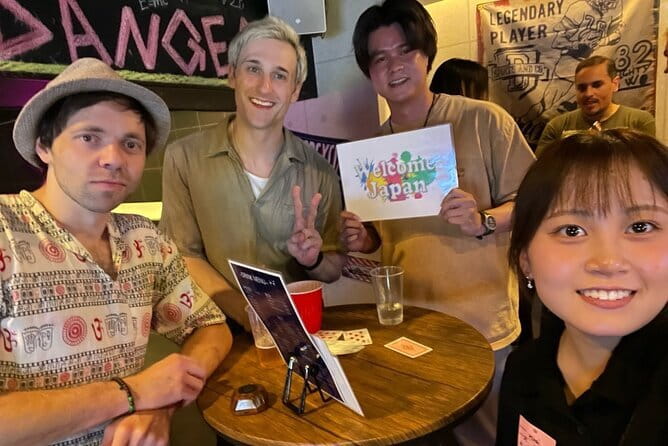
This tour fits best if you want:
- Japanese practice with a clear structure
- A chance to meet Osaka locals in a friendly setting
- Useful recommendations for what to eat and do
- A low-pressure option when you’re traveling solo
It’s also a good choice if you’re nervous about speaking. The event is designed so you don’t need to be outgoing. You just need to show up, pick a seat, and start using the prompts.
You might want to skip it if your main goal is deep cultural history or a guided walking-style experience. This isn’t that kind of tour. It’s a language-and-people event, built around conversation at a pub.
It also helps to know what you’re getting: a social exchange, not a lesson with heavy grammar explanations. If you want drills and textbook structure, you might prefer a class. But if you want real-life speaking with local feedback, this works.
Hosts and atmosphere: why the room stays friendly
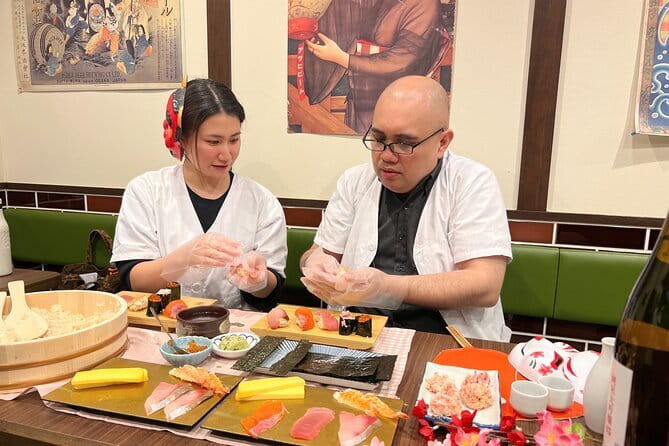
The tone seems consistent: warm, welcoming, and designed to get people talking. In past sessions, hosts such as Hao and Edna have been highlighted for making things work and keeping conversations moving.
There’s a big reason that matters: language exchange often fails when the organizer doesn’t intervene. Here, the staff actively changes seats, mixes groups, and supports the schedule. That reduces the chance of awkward clustering where the quiet people stay quiet and the confident people monopolize the time.
Even if the group is small, it still functions. That’s key, because small numbers can either be a disaster (too few people, no energy) or a win (more one-on-one time). This format aims for the second option.
Bottom line: the room is built for conversation, not for “performance Japanese.”
Should you book Pub Umeda for language exchange?
Book it if you want a friendly, structured night where you’ll actually use Japanese, meet Osaka people, and leave with real food and activity ideas. It’s also a smart solo-traveler move because the social pressure is handled for you by small groups, topic cards, and seat rotation.
Skip it if you hate pub environments or you’re looking for a traditional tour with sights, stops, and long explanations. This is about people and practice.
If you’re on the fence, here’s my practical suggestion: go on an evening when you’re not rushing to fit five other plans. You’ll get the most out of it when you can relax and let the conversation carry you.
FAQ
What is the meeting point for the Pub Umeda language exchange?
It starts at HUB Umeda-Chayamachi Applause in Osaka, at the pub.
What time does the experience begin?
The start time is 7:30 pm.
How long does the experience last?
It runs about 2 hours 30 minutes.
Is food included in the price?
No. Food is not included. Drinks are also not included, though you can buy a drink when you arrive.
What is included in the $28 ticket price?
The admission ticket is included, and gratuities are included. Topic cards and group conversation structure are part of the event.
Are Japanese beginners welcome?
Yes. Japanese speakers of all levels are welcome, including total beginners.
How do the groups work during the event?
Staff split attendees into small groups of about 3–4 people, mixing Japanese and foreigner participants, and staff change seats so everyone has more chances to speak.
Can I cancel for a refund?
Yes. You can cancel for a full refund if you cancel at least 24 hours before the experience’s start time.