REVIEW · LONDON
London: Jack the Ripper Tour with Historic Pub Stops
Book on GetYourGuide →Operated by Empire Tours and Productions LLC (United Kingdom) · Bookable on GetYourGuide
Jack the Ripper stories hit different when you’re walking the streets. This 2.5-hour Whitechapel tour pairs true crime narration with real pub stops tied to the case, so the locations do the heavy lifting. You’ll move at a steady walking pace through Victorian-era London, then settle in for a drink or two as the story catches up to you.
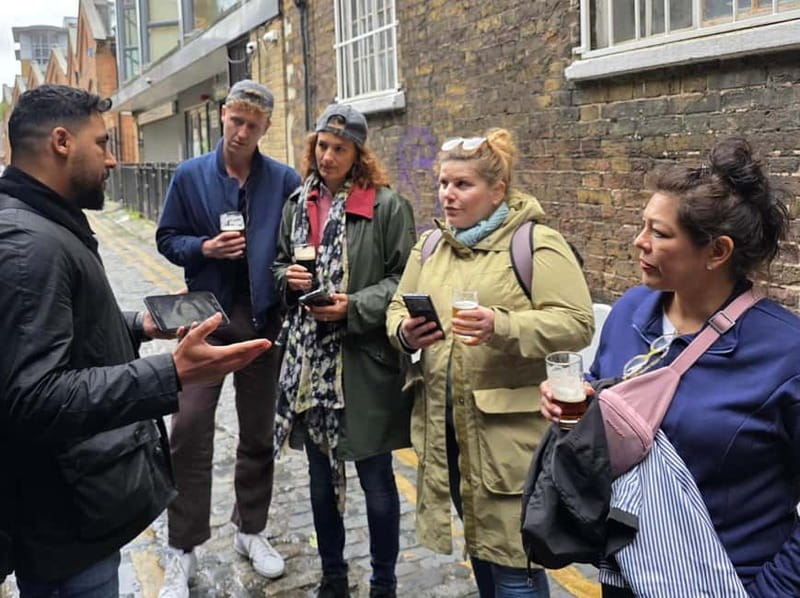
I especially like the way the stops connect to the people in the mystery. Places like The Ten Bells are linked to Annie Chapman and Mary Kelly, and the route also points out sites tied to drinking and sightings. I also like the storytelling style from guides such as Ollie, Sarah, and Cova, who often use visual aids like iPad photos to bring details into focus.
One drawback to plan for: this is a murder-focused walk, and it includes very graphic discussion at times (including references to post-mortem imagery). Also, there’s no free time buffer built in—late arrivals can miss the start, and you’ll be outside in whatever weather rolls through.
In This Review
- Key things to know before you go
- Jack the Ripper Tour With Historic Pubs: What makes it work
- Starting at The White Hart: your first clue is the pub itself
- Frying Pan Alley: why a quick photo stop can hit hard
- The Ten Bells in Spitalfields: the victim-linked stop
- Old Spitalfields Market: where the East End story gets real
- The Bell near Mitre Square: the finale with the most bite
- The guides make or break it: what to look for
- Price and value: does $40 make sense for 2.5 hours?
- Practical advice: timing, weather, and what to bring
- Who should book this Jack the Ripper pub tour
- Should you book the London Jack the Ripper tour with historic pub stops?
- FAQ
- How long is the Jack the Ripper tour?
- How much does it cost?
- Where does the tour start?
- What are the main stops along the way?
- Is food or drinks included?
- What languages are offered?
- Can I cancel and get a full refund?
- Will the guide wait if I’m late?
- Where does the tour finish?
Key things to know before you go
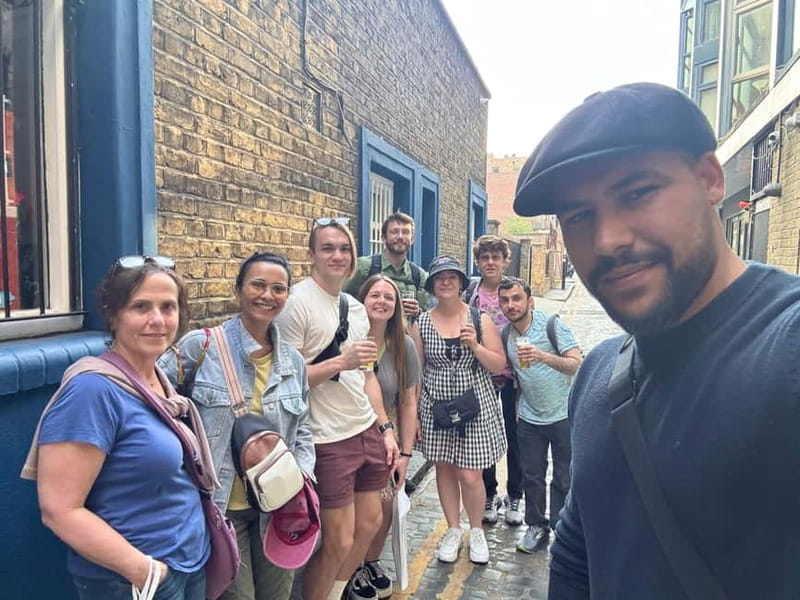
- Pub stops that match the story: The tour doesn’t just name-drop; it physically takes you to key locations like The Ten Bells and The Bell.
- Whitechapel street walking: You’ll cover the area where the case unfolded, including photo moments along the way.
- Guides who bring visuals: Several guides (like Cova/Kova) use an iPad with supporting images, which helps the narrative stick.
- Spitalfields Market context: Old Spitalfields Market adds the East End setting—work, crowds, and pressure—not just crime details.
- Good for Q&A: Guides such as Jude and Sarah make space for questions and theories when the group wants to go there.
- No drinks included: You can order a pint if you want, but budget for it since the tour price covers the guide, not alcohol.
Jack the Ripper Tour With Historic Pubs: What makes it work
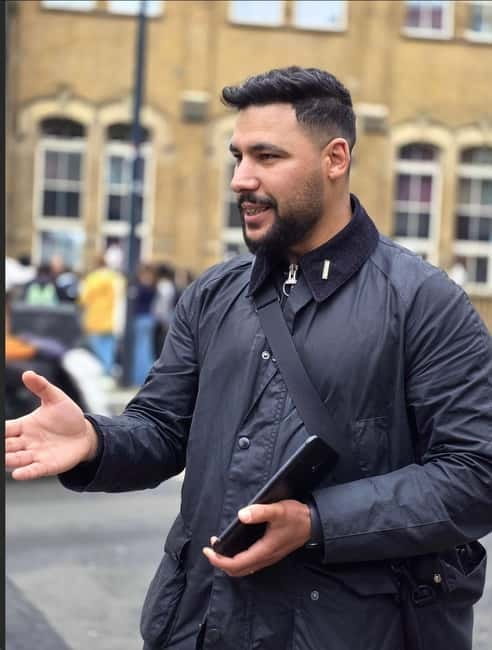
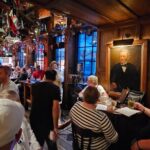
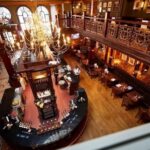
This isn’t just a “dark walking tour” that happens to end at a pub. The format is built around contrast: you’re out in the tight lanes of Whitechapel, then you step into working pubs that still feel like 1800s London’s social hubs. That back-and-forth makes the story more believable. The case is unsolved, but the geography is real, and the pubs give the route a human scale.
The other thing that really helps is pacing. In 2.5 hours, you get a full arc—start at a key pub, hit a few charged stops, then reach the final location—without turning the day into a marathon. You’re not trying to “memorize facts.” You’re walking, listening, looking, then asking questions over a drink if you choose.
You can also read our reviews of more tours and experiences in London.

Starting at The White Hart: your first clue is the pub itself
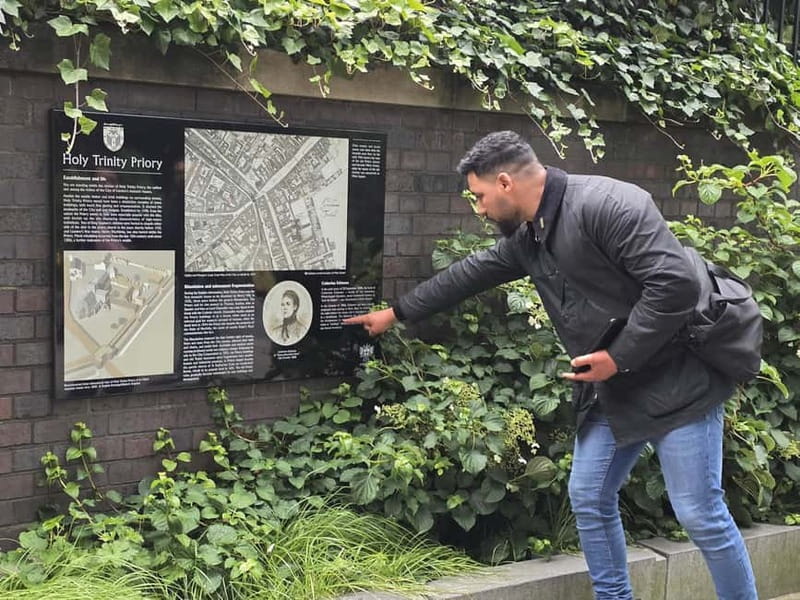
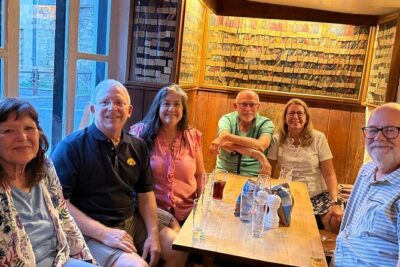
The tour begins at the White Hart Pub, and the starting point matters because it sets the tone: this story wasn’t just about streets—it was also about people gathering, drinking, and moving through the neighborhood. From there, you’re led into the area with the mindset of a Victorian Londoner: where would you go for a drink, and who might you bump into?
You’ll then start picking up the tour’s key method. Guides point out drinking spots and sightlines, not just famous “murder addresses.” That approach makes the case feel less like a distant legend and more like something that happened in a functioning community—one with poverty, crowding, and limited choices.
Frying Pan Alley: why a quick photo stop can hit hard
Next up is Frying Pan Alley, where you’ll have a photo stop and then walk past the area tied to the last known drinking spot of the first victim. This is the kind of moment that works well even if you’re not the type who loves true crime details.
Why it helps: photo stops give your brain a visual anchor. You can look at the corner, the lane, the approach from the street, and suddenly the route makes sense in your head. It also helps you understand why witnesses and rumors spread—people moved on foot through the same narrow spaces.
Practical note: this is London, so the surfaces and lanes can be slippery when it’s wet. I’d treat it as a walking tour first and a “touristy photo tour” second.
The Ten Bells in Spitalfields: the victim-linked stop
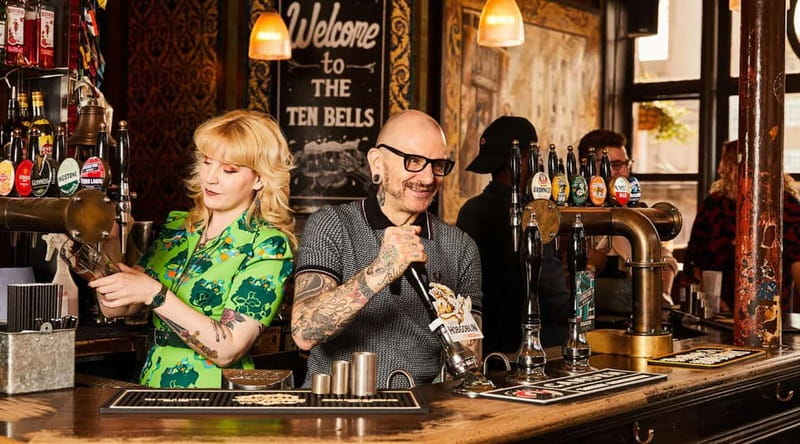
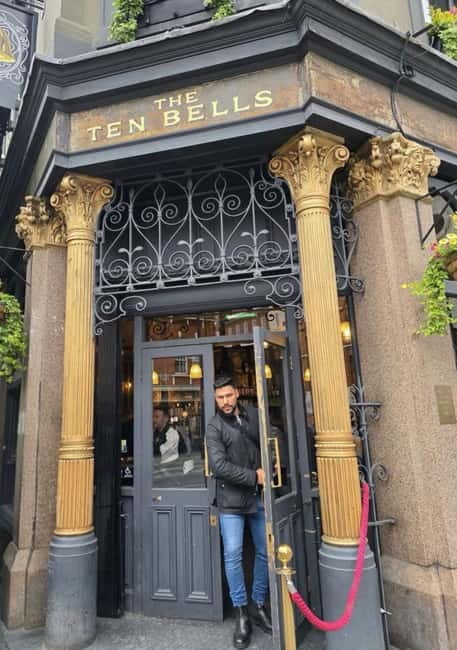
Then you reach The Ten Bells in Spitalfields, one of the most important stops on the tour. This pub is tied to Annie Chapman and Mary Kelly—places like that matter because they connect names to locations, not just dates in a book.
Expect the guide to slow the story down here. The Ten Bells stop is built for impact: it’s where you’re asked to picture the last-sighted moments and the social energy of a pub at that time. You’re also still out in the East End, not transported to some reenactment set—so the experience stays grounded in the actual neighborhood layout.
Also, guides vary in tone, but the pattern holds. Names you may hear from guides on different days include Sarah and Becky, and the best versions of this stop use both narrative and visual material. You may even see supporting images shown on a device, which helps when you’re trying to understand what’s being referenced without turning it into pure speculation.
Old Spitalfields Market: where the East End story gets real
After The Ten Bells, you head to Old Spitalfields Market for a guided visit. This stop shifts the focus from the most famous details of the case to the setting that shaped everyone’s daily life: crowded streets, hard work, and pressure on families.
This is where the tour becomes more than a crime walk. You start thinking about why the neighborhood looked and felt the way it did, not just what happened on specific nights. It’s also a good moment to ask questions, because market stops tend to make the “how people lived” side of the story click for first-timers.
One drawback to keep in mind: if you’re expecting only murder locations and no context, the market stop can feel like a breather. If you like atmosphere and social history, though, it’s one of the most satisfying parts of the route.


The Bell near Mitre Square: the finale with the most bite
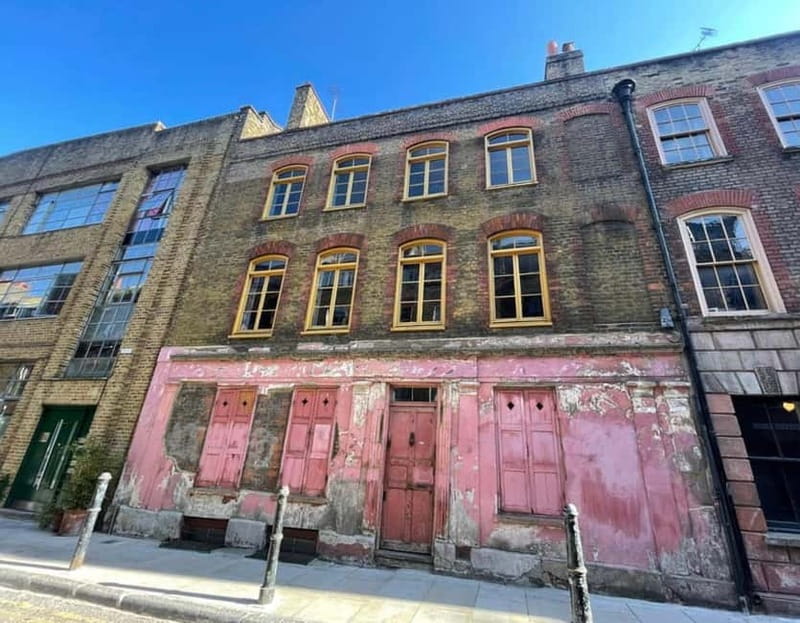
The tour ends at The Bell, near Mitre Square, at a site tied to a notorious murder. This is the kind of ending that feels appropriate: the last stop is still in the same neighborhood logic as the first, and it ties off the walk with a heavy note.
You’ll also get a sense of how the case stuck in the public imagination. A pub ending gives you an emotional release valve. You’ve been listening to the grim parts, then you’re offered the chance to sit, think, and process the story in a place that historically was about noise, conversation, and routine.
If you want to keep talking after the tour, this is also a convenient place to do it. People who came for the facts usually want to compare theories by the end.
The guides make or break it: what to look for
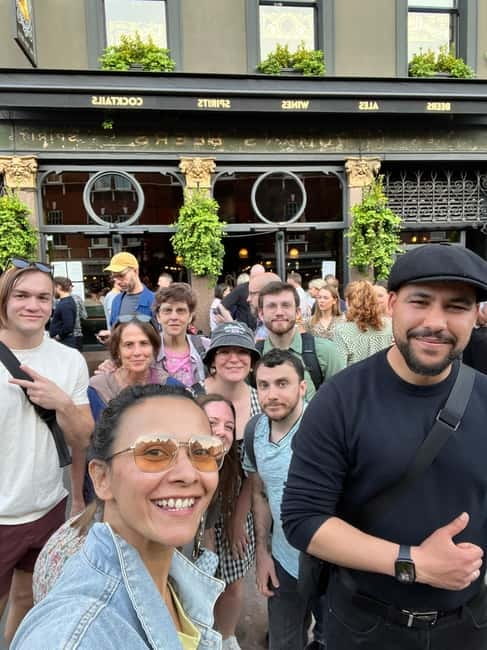
This tour’s quality depends heavily on the guide, and the strongest versions of it seem to come from guides who can mix three skills:
- keep the pacing moving at a steady walking pace
- explain the case without turning it into rumor
- show visuals when the story gets complex
From the reviews, I noticed repeat praise for guides who were lively and interactive—Ollie, Sarah, Kova/Cova, Becky, Jude, Insia, and Carla show up again and again. Some guides use an iPad to show images that add clarity, and at least one guide used a book with historical photos. That matters, because it helps you separate what you’re hearing from what you might otherwise have to imagine.
Another consistent theme: respect. Even with a subject this dark, guides are careful about handling the victims as people, not just plot points. If you’re sensitive to graphic content, it’s still wise to go in knowing this is true crime with hard material.
Price and value: does $40 make sense for 2.5 hours?
At about $40 per person for a 2.5-hour guided experience, the value comes from two things you’re not getting on your own:
- a guided route that links multiple locations to the case
- interpretation that ties street details and pub stops to the story
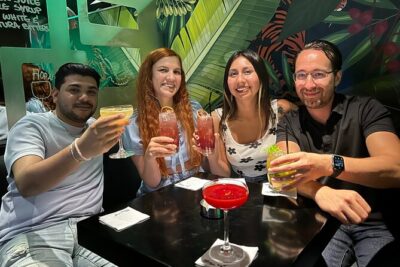
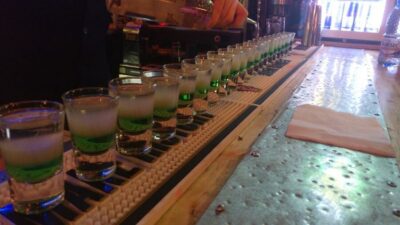
You’re also not paying extra for the guide—what you add on your own is the drink(s), since drinks aren’t included. If you plan to order a pint, set aside a bit more in your budget and enjoy the format as intended: walk, listen, then pause inside an actual pub location.
Where it can feel like less value: if you only want quick stop-and-photo sightseeing, this tour is more of a guided narrative. You’ll walk and listen. If you like learning while moving, it’s a strong deal.
Practical advice: timing, weather, and what to bring
A walking tour in Whitechapel means you should dress for the outdoors. Some recent experiences mentioned rain, and London weather loves to do that. Bring a rain layer and wear shoes you can trust on pavement that can get slick.
Also, don’t treat the meeting point like a suggestion. The tour can’t wait for late arrivals, so give yourself extra buffer time to get to the White Hart Pub on schedule. This is one of those tours where arriving 10 minutes late can mean missing the start of the story.
Finally, consider carrying a light snack if you normally get hungry on walks. The tour focuses on narration and pub stops, but the schedule stays on the 2.5-hour frame.
Who should book this Jack the Ripper pub tour
You’ll likely love it if:
- you’re into true crime and want the setting, not just the headlines
- you enjoy local London character—especially pubs that feel lived-in
- you like asking questions and comparing theories in a small group setting
It may not be the best fit if:
- you’re uncomfortable with murder and graphic discussion
- you want a purely casual stroll with minimal listening
If you’re a first-time visitor who wants one “London experience” beyond museums, this is a good pick because it mixes place-based sightseeing with a story that’s famous worldwide but still rooted in real streets.
Should you book the London Jack the Ripper tour with historic pub stops?
Yes, if you want a guided Whitechapel walk that uses authentic pub locations like The Ten Bells and The Bell to make the mystery feel specific. For $40, you’re buying direction, storytelling, and context—plus the chance to slow down inside pubs that match the case’s social world.
Book it especially if you value a guide who uses visuals, keeps the pace right, and respects the victims while still giving you theories and discussion. Just go in knowing it’s a dark subject with real edges, and wear shoes built for street-level walking.
FAQ
How long is the Jack the Ripper tour?
The tour lasts 2.5 hours.
How much does it cost?
It costs $40 per person.
Where does the tour start?
It starts outside the White Hart Pub.
What are the main stops along the way?
You visit or stop at The Ten Bells, Old Spitalfields Market, and The Bell (near Mitre Square). You also pass by Frying Pan Alley.
Is food or drinks included?
No, drinks are not included.
What languages are offered?
The live guide speaks French and English.
Can I cancel and get a full refund?
Yes. You can cancel up to 24 hours in advance for a full refund.
Will the guide wait if I’m late?
No. The tour cannot wait for late arrivals.
Where does the tour finish?
It finishes at The Bell.