REVIEW · LONDON
City of London: Historic Pub Walking Tour
Book on GetYourGuide →Operated by Good View Tours Ltd · Bookable on GetYourGuide
Four old pubs in two hours sounds perfect. This City of London Historic Pub Walking Tour stitches together St. Paul’s after the Great Fire, Fleet Street’s press legacy, and three very different pub styles, ending with The Blackfriar’s Art Nouveau mosaics. What I like is that you get real place-based storytelling without long stretches of guesswork, and you also get a smart, walkable route that keeps the day moving. The only real downside is time: each stop is about 15 to 20 minutes, so if you’re hoping for a slow, hours-long pub hang at every bar, this format may feel a bit brisk.
If you’re the sort of person who enjoys history you can point at (architecture, street names, and specific buildings), this route fits. I especially like the mix of famous names and “wait, that used to be what?” facts—like a pub tied to Charles Dickens and another that connects to the old banking world in the City.
One more consideration: you’ll walk roughly 1.9 miles (about 3 km) over about 1.5 to 2 hours, so comfy shoes matter more than enthusiasm alone. It’s easy walking, but it’s still walking.
In This Review
- Quick hits: why this pub walk works
- Where it starts: St. Paul’s Station and the Great Fire context
- Ye Olde Cheshire Cheese: Dickens-era pub vibes you can actually visit
- Fleet Street to The Old Bank of England: architecture with a job title
- The City of Yorke and the financial district: old commerce beside modern icons
- The Blackfriar: Art Nouveau tiles, mosaics, and monastic backstory
- Price and value: what $40 buys you in central London time
- What the guide adds (and why it matters)
- Practical details I’d plan around
- Who should book this City of London pub walk?
- Should you book this tour?
- FAQ
- How long is the City of London Historic Pub Walking Tour?
- Where do I meet the tour guide?
- Which pubs are included in the tour?
- Is the tour guided in English?
- How much walking is involved?
- What’s the cancellation and payment flexibility?
Quick hits: why this pub walk works
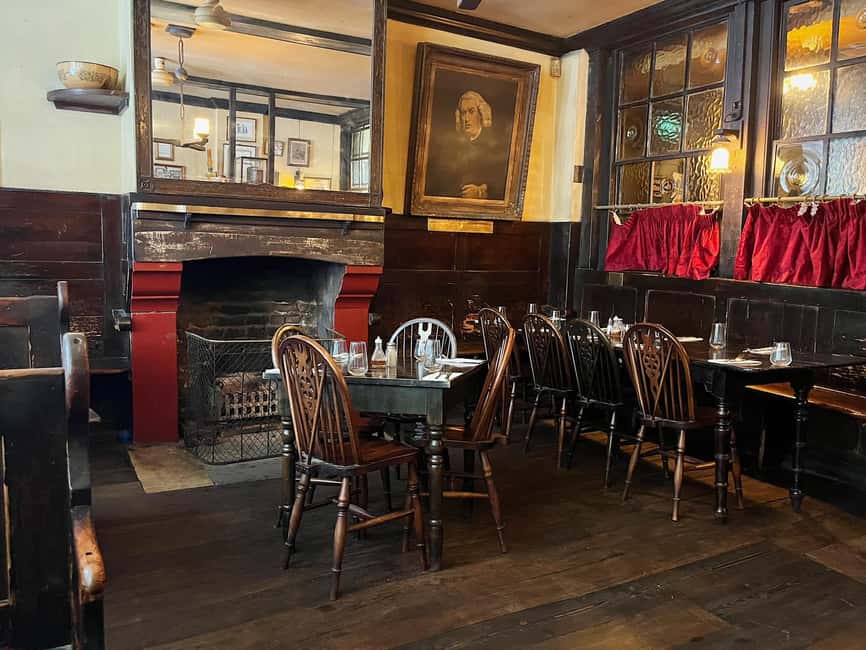
- Ye Olde Cheshire Cheese (since 1538) ties together London pub culture and big literary names like Charles Dickens and Dr. Samuel Johnson.
- The Old Bank of England Pub gets you into neoclassical architecture and the story of Fleet Street’s press power.
- Fleet Street to the City puts you in the heart of commerce and finance for centuries, not just a stroll past landmarks.
- City of Yorke sits right by the Lloyd’s Building area, so you’re pairing old London with modern City icons.
- The Blackfriar is a dramatic Art Nouveau finish with mosaics and ornate tiles, plus local monastic backstory.
Where it starts: St. Paul’s Station and the Great Fire context
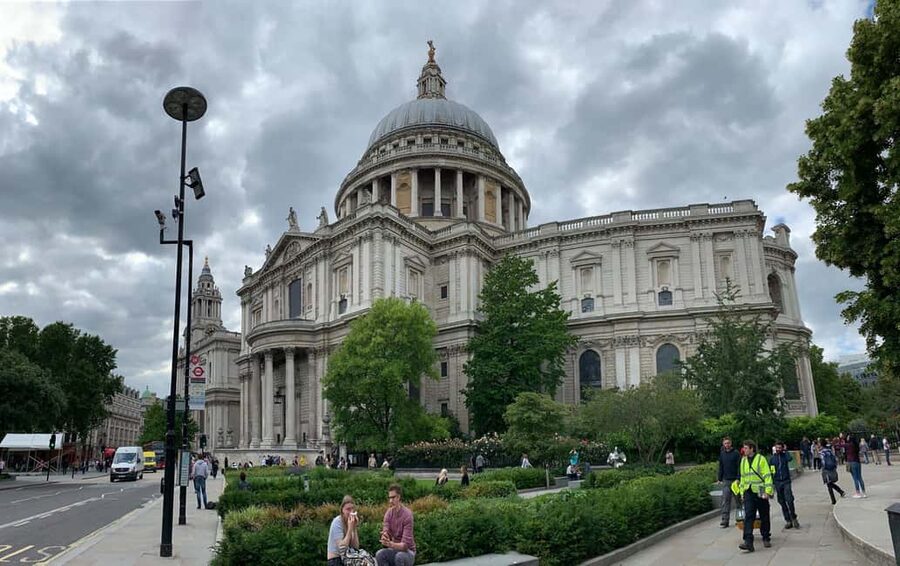
Meeting at the entrance/exit of St. Paul’s Station on Panyer Alley outside Caffè Nero, the tour wastes no time getting you oriented. You’re in the right neighborhood for the kind of London that feels layered—church, city fire, rebuilding, and then the centuries of growth that follow.
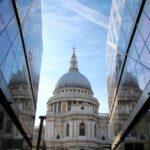
As you head out, you’ll hear how St. Paul’s Cathedral was designed by Sir Christopher Wren after the Great Fire of London in 1666. That detail matters because it changes how you read the area. Instead of treating the cathedral as a standalone postcard, you start seeing it as part of a turning point that shaped what the City became.
You also get street context early, moving through the approach toward Fleet Street by way of Ludgate Hill. It’s a small thing, but street names like this are often the quickest way to feel how old London used to work: roads that guided people from the Thames up toward the City.
You can also read our reviews of more tours and experiences in London.

Ye Olde Cheshire Cheese: Dickens-era pub vibes you can actually visit
The first pub stop is Ye Olde Cheshire Cheese, with origins dating to 1538. When a place claims that kind of age, it’s not just a marketing line—you can feel why it became a magnet for writers and regulars. The guide’s job here is to help you see what makes a pub historically “useful,” not just historic.
This is where the tour leans into literary connections. You’ll hear about links to Charles Dickens and Dr. Samuel Johnson, names that anchor the pub in London’s intellectual life. Even if you’re not a deep literary scholar, those names are a handy way to understand what kinds of people spent time in these rooms: people who wrote, argued, shaped opinion, and passed stories along.
Plan on about 15 to 20 minutes inside. That’s enough time to soak up the atmosphere, look around, and then move on while it’s still interesting. If you’re hungry for a full bar experience, you may want to treat this stop as a “settle in and learn” moment, not a “linger all afternoon” one.
Fleet Street to The Old Bank of England: architecture with a job title
Next up is the Old Bank of England Pub, set in a neoclassical building. This stop is a good reminder that London pub life and London business life weren’t separate worlds. The tour helps you connect the dots between architecture and function.
The key idea here is that the pub history ties back to a former Bank of England office. When you stand in a space like that, you start to notice the difference between a casual tavern and a building that was built to project authority. Neoclassical design tends to look orderly and serious, and that energy changes how you experience the room.
Because the tour also discusses Fleet Street’s importance to the British press, you get a two-part context: the building’s banking past and the nearby press engine that helped shape national conversations. Fleet Street wasn’t just where papers got made; it was where power moved around the City.
Another 15 to 20 minutes here gives you time to take in the architecture and hear the story without turning it into a lecture. It’s also a practical break before you continue walking toward the next section of the City.
The City of Yorke and the financial district: old commerce beside modern icons
After that, you move through the financial district toward The City of Yorke. This is the tour segment that helps you understand why London’s “City” matters even today. You’ll hear how the area has been the heart of London’s commerce and finance for centuries.
What I like about this part is that it doesn’t treat the City as just buildings. It frames the streets as a working system that evolved over time. When you look at where you are, it clicks faster: you’re not only sightseeing; you’re walking through the functional core that shaped the city’s money and influence.
Then the route places you close to the Lloyd’s Building, described on this tour as also known as the Gherkin. Whether you call it by a nickname or the official name, the effect is the same. You go from Tudor-era pub atmosphere and neoclassical bank rooms to a modern, instantly recognizable City landmark. It’s a neat contrast that makes the whole walk feel like one continuous story.
You’ll spend around 15 to 20 minutes at The City of Yorke. That time is useful for a quick reset, a final look at nearby modern architecture, and a chance to regroup before the last stop.
The Blackfriar: Art Nouveau tiles, mosaics, and monastic backstory
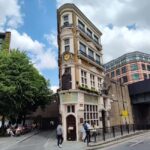
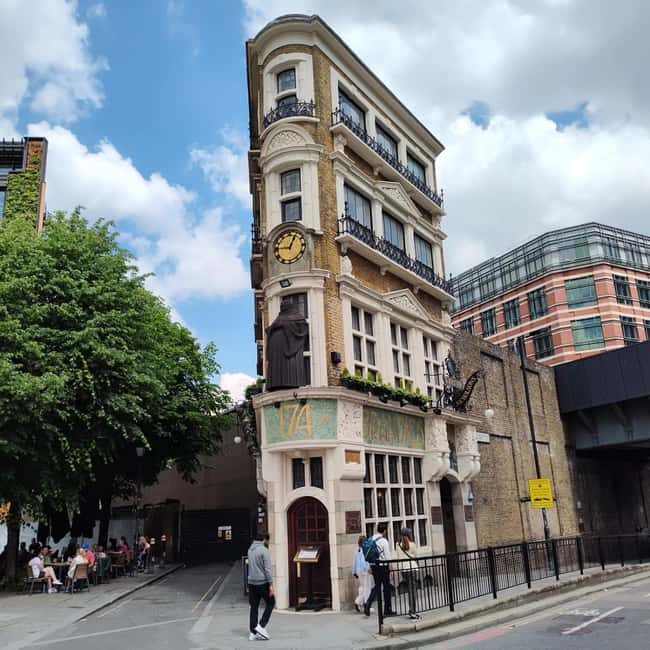
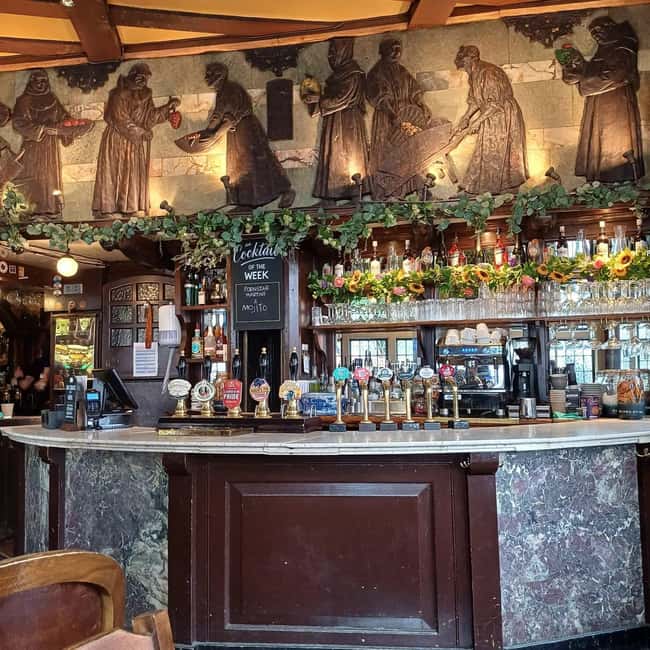
You finish at The Blackfriar, and this is the part that tends to feel like a reward. The architecture is Art Nouveau, and the details are the focus: mosaics and ornate tiles that include religious figures and monastic-era references.
The tour also ties the setting to Blackfriars Bridge and Blackfriars Station, plus the story of Dominican friars who once lived here. That’s the kind of information that makes a pub interior feel like a historic site, not just a place to have a drink.
This stop is also timed well—about 15 to 20 minutes—because you’ll want to actually look around. Art Nouveau details reward slow attention, so the guide’s timing helps you see the artwork instead of just glancing and rushing.
And yes, you end with convenience: The Blackfriar is a short walk from Blackfriars Station, so you’re not stuck figuring out the last leg of your journey.

Price and value: what $40 buys you in central London time
At $40 per person for about 2 hours, this is priced like a focused, guided “see-and-know” walk rather than an all-day pub crawl. Here’s how it adds up in real terms:
- You get a guided walking tour with live commentary in English.
- You visit four specific pubs that would be hard to line up on your own without a plan.
- You also get street-level context around St. Paul’s, Ludgate Hill, Fleet Street, and the financial district, which is part of the value because it changes how you interpret what you’re seeing.
The tour structure matters. With only 15–20 minutes per pub, you’re not paying for long downtime—you’re paying for the best window of time to learn about each place and keep the route moving.
If your travel style is short and efficient but still meaningful, this price-to-time ratio tends to make sense.
What the guide adds (and why it matters)
This is the kind of tour where the guide isn’t just background noise. The value is in connecting details you might miss. For example, it’s easy to see pubs as pretty interiors. It’s harder to understand why a building mattered, who would have been there, and how the neighborhood’s past shaped what you’re standing in.
The small set of top-rated experiences tied to this tour highlights exactly that: people appreciated a nice guide, and they liked that the places were hard to find without help. That lines up with what this route requires—central London has lots of streets, and pub locations can be easy to overlook if you’re wandering without a plan.
You’ll also get a steady rhythm: short walks, then a focused storytelling stop. If you like structured sightseeing with enough breathing room to look around, the pacing works.
Practical details I’d plan around
A few basics that will make the tour feel effortless:
- Total walking distance: about 1.9 miles (3 km)
- Total tour time: about 1.5 to 2 hours
- Meeting point: St. Paul’s Station entrance/exit on Panyer Alley outside Caffè Nero
- Language: English
- Wear comfortable shoes: the tour includes walking plus historical discussions and pub visits
If you’re scheduling the day, treat it like a compact sightseeing block that ends near Blackfriars Station. It pairs well with a late lunch or an evening stroll afterward, since you won’t be exhausted from all-day wandering.
Who should book this City of London pub walk?
I think this tour fits best if you:
- want a guided walk through the City’s key streets instead of piecing it together alone
- enjoy architecture and context (Wren’s St. Paul’s, neoclassical bank rooms, and Art Nouveau interiors)
- like the idea of four distinct pub stops rather than one pub used as a base
- prefer a time-bounded experience that still feels like you’re seeing real places
It may feel less ideal if you:
- want long sits in each pub
- dislike walking even short distances
- are looking for a modern pub party atmosphere rather than history-first interpretation
Should you book this tour?
Yes, if you want a smart, central London afternoon where the pubs are the story, not just the backdrop. The route is compact, and it hits meaningful stops: Ye Olde Cheshire Cheese, the Old Bank of England Pub, The City of Yorke, and The Blackfriar with its Art Nouveau tiles.
Book it if you like your history tied to buildings you can see from the inside. Skip it only if you want a slow crawl and lots of unstructured bar time.
FAQ
How long is the City of London Historic Pub Walking Tour?
The duration is 2 hours. The total tour time is listed as approximately 1.5 to 2 hours.
Where do I meet the tour guide?
You meet at the entrance/exit of St. Paul’s Station, on Panyer Alley outside Caffè Nero.
Which pubs are included in the tour?
The tour includes visits to Ye Olde Cheshire Cheese, the Old Bank of England Pub, The City of Yorke, and The Blackfriar.
Is the tour guided in English?
Yes. The tour is guided with a live English guide.
How much walking is involved?
The total walking distance is approximately 1.9 miles (3 km).
What’s the cancellation and payment flexibility?
You can cancel up to 24 hours in advance for a full refund. You can also reserve now & pay later, keeping plans flexible.