REVIEW · DUISBURG
Duisburg-Ruhrot: Historic Harbor Pub Tour
Book on GetYourGuide →Operated by DU Tours · Bookable on GetYourGuide
Ruhrort’s pub legends start before the first sip. This 3-hour walk through Duisburg’s harbor district is a fun mix of stories and serious atmosphere, and I love how our guide Maik ties old pub signs to real local legends. I also love that you get a three-beer tasting in classic harbor rooms, so the history stays practical, not just talk.
One thing to consider: this isn’t a kid-friendly outing. The tour is not suitable for children under 18, it’s in German, and food isn’t included—so you’ll want to eat beforehand or plan a proper meal after.
In This Review
- Key highlights at a glance
- Why Ruhrort’s harbor pubs feel different from regular bar-hopping
- Meeting at Plus am Neumarkt and finishing at Horst-Schimanski-Gasse
- Legends first: Tante Olga and the Postkutsche
- Zum Itze, Taverne, and Zum Hübi: old rooms with included beer
- Zum Anker and Schimanski: pop culture with local roots
- Why Ruhrort felt like St. Pauli in the Ruhrgebiet
- The harbor boom you’ll hear about: wealth, weekends, and 120 pubs
- What the beer stops teach you about Ruhrort today
- Pace, language, and the smart way to prepare
- Price and value: what $46 really buys you here
- Should you book this Ruhrort harbor pub tour?
- FAQ
- How long is the Duisburg-Ruhrort Historic Harbor Pub Tour?
- Where does the tour start?
- Where does the tour end?
- How much does it cost?
- What’s included in the price?
- Is food included?
- What language is the tour in?
- Are non-alcoholic drinks available?
- Is this tour suitable for children?
- What is the cancellation policy?
Key highlights at a glance
- Tante Olga and the Postkutsche: early legend stops that set the tone for the whole walk
- St. Pauli in the Ruhrgebiet: why Ruhrort got its famous nickname
- Three included beers: one in each historic harbor pub stop
- Zum Anker and Schimanski: a pop-culture tie-in to local pub lore
- Old harbor atmosphere: you’ll smell the dockside past, not just hear about it
Why Ruhrort’s harbor pubs feel different from regular bar-hopping
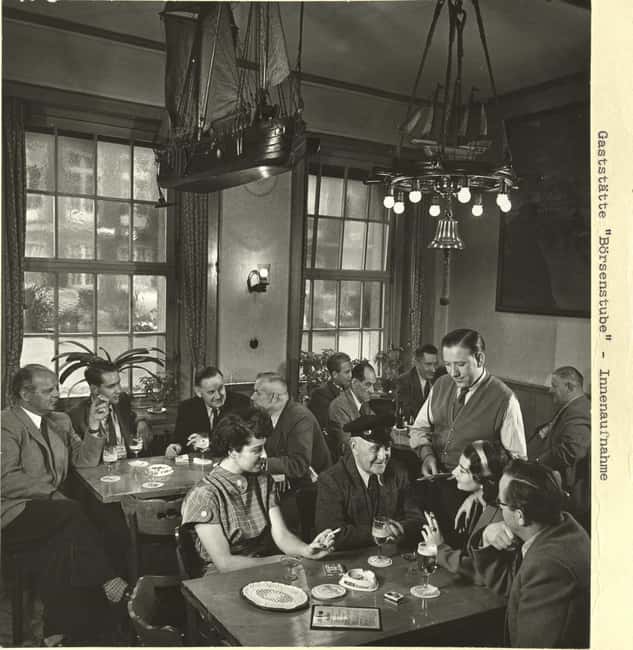
If you’ve ever wandered into a German Kneipe and thought, this place has a personality, you’ll get that feeling fast here. Ruhrort is a harbor district, and the pub culture grew up around weekends, sailors, captains, and families spending money locally. That shows in the way the guide talks about each place: it’s not just trivia, it’s how the neighborhood used to work.
What makes this tour special is that the stories have “gravity.” The harbor legends don’t float around like fairy tales. They connect to the town’s identity—down to the nickname people still associate with the area. You’ll also notice the pacing. You don’t rush. You stop, you listen, you taste a beer, and the guide links the next corner to what came before.
And yes, the beer matters. Not because it turns the tour into a drinking contest, but because it slows you down just enough to notice details: old entrances, the feel of the rooms, and the sense that locals still treat these pubs as part of daily life.
Meeting at Plus am Neumarkt and finishing at Horst-Schimanski-Gasse
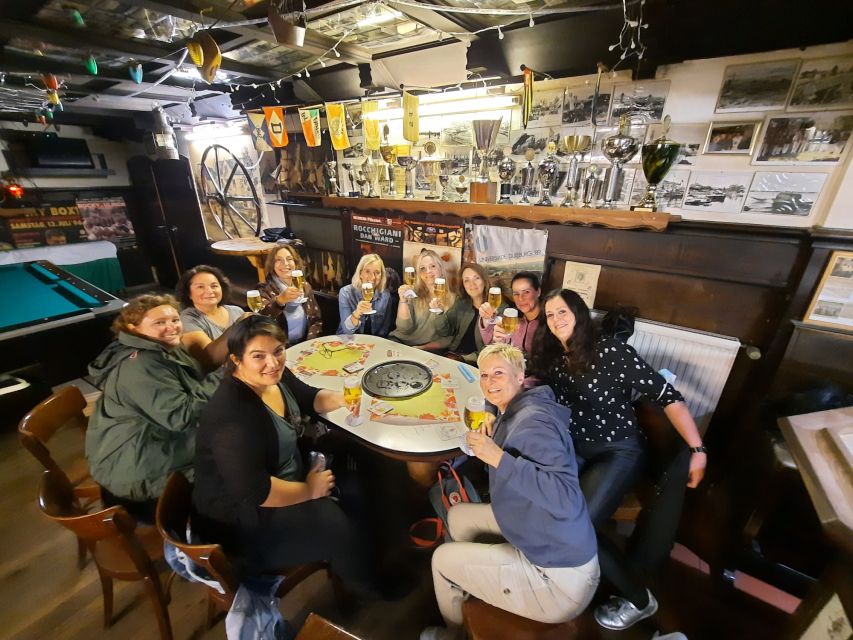
You meet at the shop called Plus am Neumarkt on Neumarkt 19. The tour then takes you through Ruhrort on foot for about three hours. You’ll end at Horst-Schimanski-Gasse, 47119 Duisburg, Germany.
Why this matters: a walking format is what lets the guide do the real work—linking stories to streets and locations, not just giving you a lecture from one spot. You’ll also get a clear start and finish point, which is helpful if you want to pair this with dinner in Duisburg afterward.
This is a live guided tour in German, so if you’re not comfortable with German, you should treat it like an active immersion in everyday language. The good news: beer stops and pub scenes keep things visual, even when your listening gets slower.
Legends first: Tante Olga and the Postkutsche
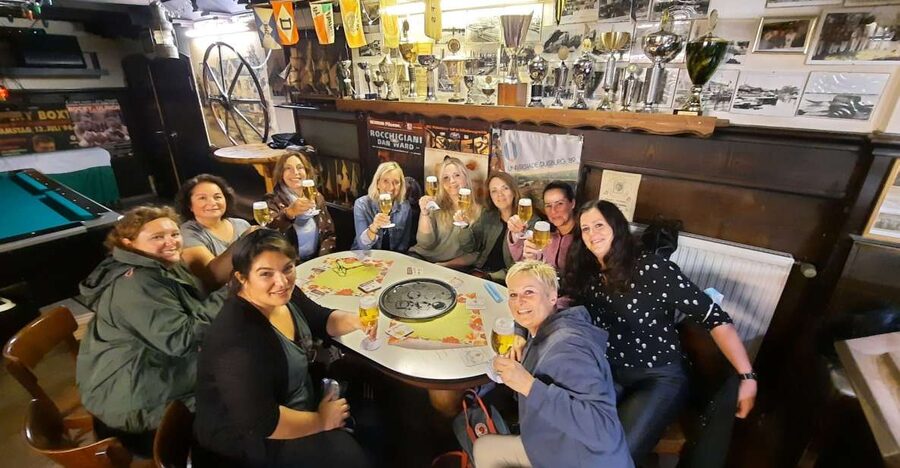
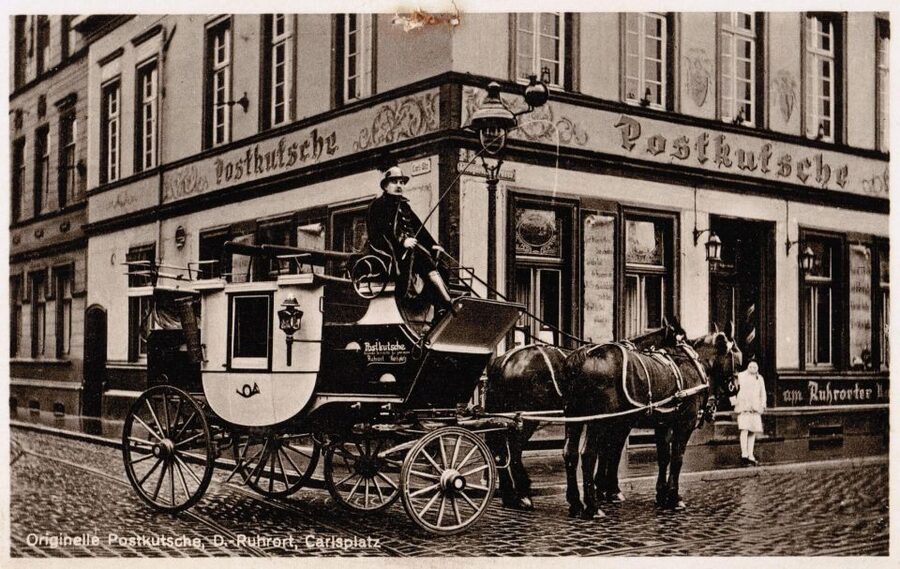
The tour doesn’t start with beer. It starts with myth, specifically the legend of Tante Olga and the story of the Postkutsche (the stagecoach). This is a smart choice, because it gives you a lens for everything that follows. Once you hear these stories, the pub names and old corners feel like more than decoration.
These legend openings also prepare you for the harbor-town mood. Ruhrort’s stories have that “half-known, half-remembered” quality, the kind that forms when a place has been shaped by generations of visitors. You’ll hear the kinds of details that help you understand why locals talk about their district with pride, even if you’re only visiting for a short time.
Zum Itze, Taverne, and Zum Hübi: old rooms with included beer
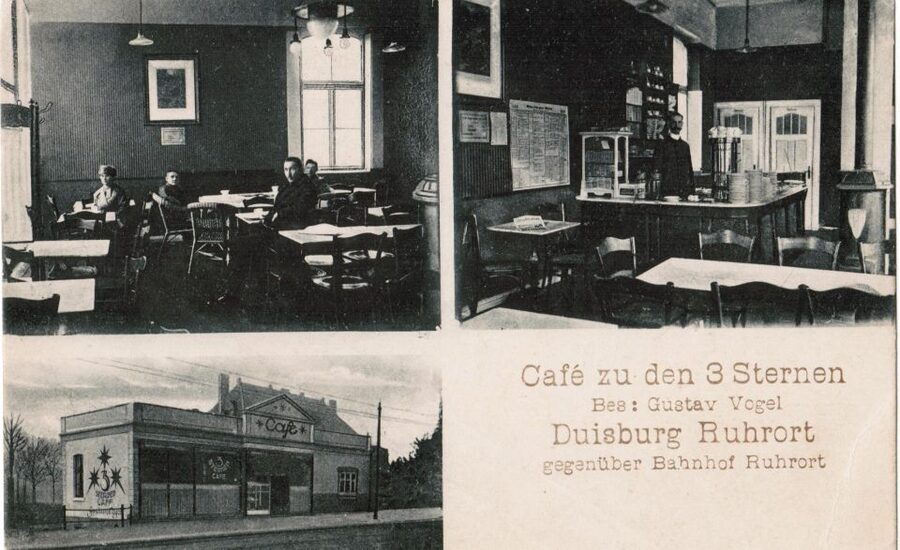
The heart of the tour is entering historic harbor pubs and having a beer in each. The stops you’ll experience include Zum Itze, Taverne, and Zum Hübi—classic Ruhrort pub names that sound like they belong to the neighborhood, not to a tourist brochure.
Here’s what you should pay attention to at each stop:
- How the guide connects the pub to the harbor’s past
- How regulars and the layout make the room feel lived-in
- How the story changes depending on the pub’s role in the weekend crowd
One practical note: the tour includes a welcome drink, then you get beer at each of the historic pub stops. Since food isn’t included, the included drinks are the main fuel for the 3-hour flow. If you’re sensitive to alcohol, pace yourself and consider choosing the non-alcoholic option when it’s offered—non-alcoholic drinks are available.
Zum Anker and Schimanski: pop culture with local roots
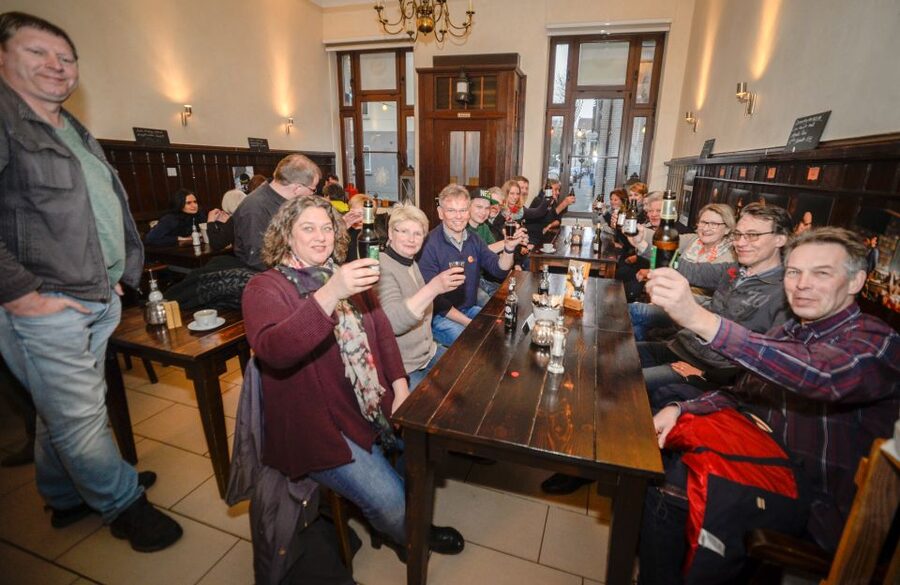
Between the pub doors and the harbor legends, you’ll also hear about Zum Anker, described as the favorite pub of TV star Schimanski. This is the kind of detail that works well for visitors because it gives you an anchor beyond local lore. It also shows that Ruhrort’s pub scene didn’t just survive in the past—it kept reappearing in modern ways.
What I like about including a pop-culture reference is that it doesn’t replace the local story. It reinforces it. You start seeing Ruhrort as a place that outsiders can recognize, but still doesn’t lose its neighborhood identity.
Why Ruhrort felt like St. Pauli in the Ruhrgebiet
One of the tour’s main themes is identity: Ruhrort’s history is tied to its reputation, including the idea of St. Pauli in the Ruhrgebiet. The harbor district’s atmosphere—its weekend energy, its sailor visitors, its pub density—helped create a local version of the “anything could happen” spirit people associate with St. Pauli.
This part is valuable because it explains how reputations are built. It wasn’t just randomness. The guide connects the nickname to a real economic pattern: Ruhrort was a busy harbor hub where sailors and captains spent money and came with their families on weekends.
So when you hear the St. Pauli connection, you’re not only learning a label. You’re learning why the label fit.
The harbor boom you’ll hear about: wealth, weekends, and 120 pubs
The guide paints Ruhrort as the kind of place that grew fast and partied hard—until it didn’t. You’ll learn that Ruhrort was the richest harbor district until the 1960s, largely because sailors and captains spent significant money with their families when they stayed over weekends in the harbor area.
There’s a striking detail that helps the whole story click: at one point, Ruhrort had around 6,000 residents but reportedly had more than 120 pubs. That’s a level of pub concentration that sounds almost impossible—until you remember what a port neighborhood needs. People come in waves. They work. They celebrate. They repeat.
This is where the tour earns its keep. A list of pub names is fine, but it’s the explanation—how money moved, how weekends shaped behavior, how the district functioned socially—that makes the old harbor atmosphere feel real.
What the beer stops teach you about Ruhrort today
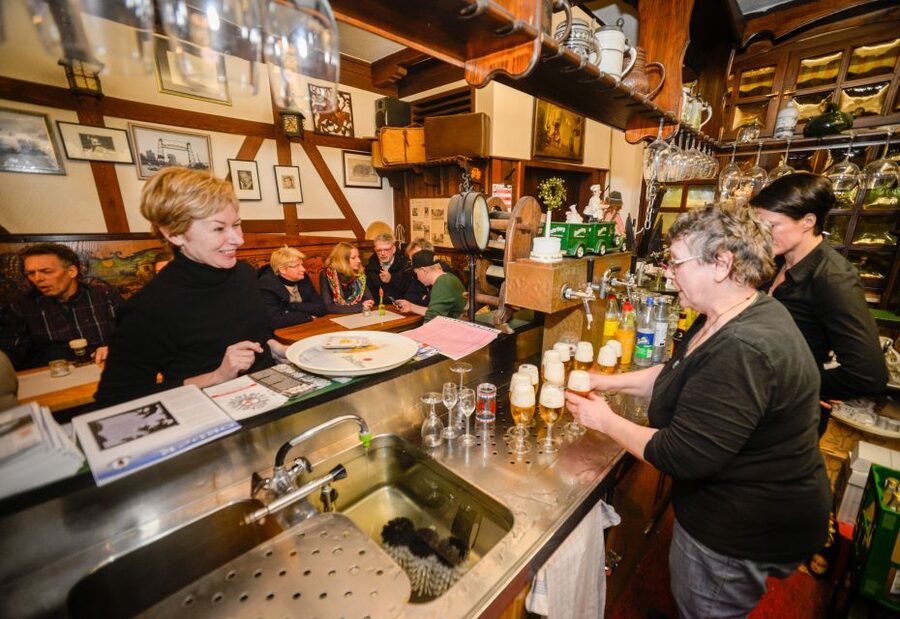
You’re not just drinking on this tour. You’re using the beer stops as story checkpoints. Each pub gives the guide a chance to show you how the district remembers itself: through names, through local legends, through the kind of pride people have in keeping older places running.
Also, the included beer component makes the tour feel fair. At $46 per person for a 3-hour guided walking experience with three beers and a welcome drink included, the price isn’t only for talking. It covers a guided route plus the core experience items—so you don’t have to keep doing the math mid-tour.
For you, that means less decision fatigue. You show up, you walk, you listen, you drink, you get the story, and you end with enough context to explore more Ruhrort on your own.
Pace, language, and the smart way to prepare
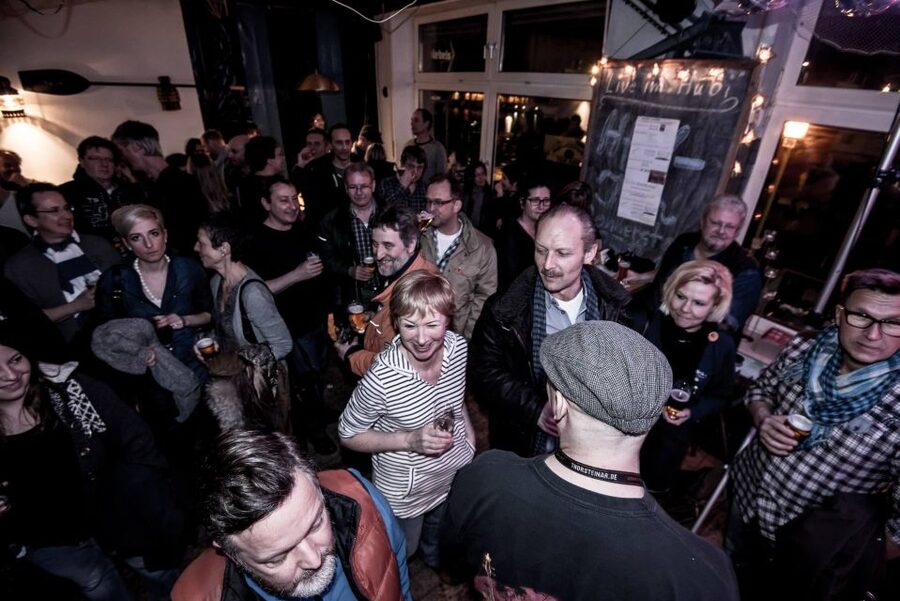
This tour runs for 3 hours and it’s a walking format. You’ll want to dress for walking around Duisburg and for the time it takes to stop, order drinks, and listen.
Language matters here. The live guide speaks German, and the story-heavy style means you’ll get the most if you can follow at least the basics. If your German is limited, don’t worry—you’ll still enjoy the atmosphere because pub scenes and key names carry you.
Food is the one missing piece. Since food isn’t included, I recommend you handle a meal before the tour starts. Then plan a meal afterward, ideally in the same area, while the stories are still fresh.
And one more match for the right audience: it’s not suitable for children under 18. This is an adult-focused outing with drinking as part of the design, even with non-alcoholic options available.
Price and value: what $46 really buys you here
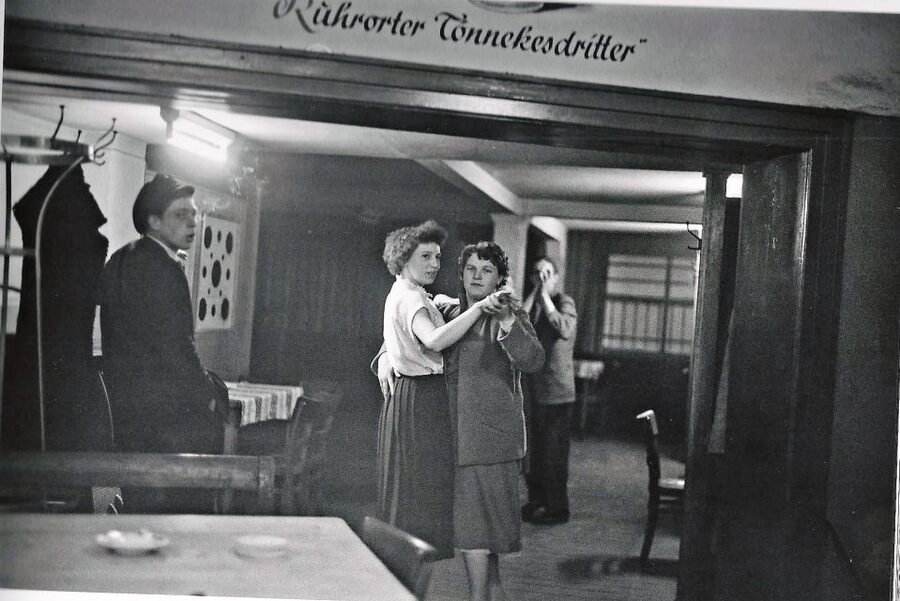
At $46 per person, the big value is that the tour bundles the elements that normally add up: a guide, a walking route, and three included beers plus a welcome drink. For a short, story-based experience, that’s a sensible package.
The other value is less measurable: you’re getting a guided interpretation of a neighborhood with a very specific identity. Ruhrort’s pub scene isn’t generic bar culture. It’s tied to a harbor economy, weekend rhythms, and the way nicknames like St. Pauli in the Ruhrgebiet took root.
If you like history that comes with physical places—street corners, pub fronts, old rooms—this will feel like money well spent. If you only want modern nightlife with no interest in local legends, you might not get as much out of it.
Should you book this Ruhrort harbor pub tour?
I think you should book if you want a story-led pub experience that explains why Ruhrort became known for its harbor reputation, and you’re happy to spend a few hours walking in German with plenty of personality. The combination of legends like Tante Olga, the stagecoach story, pub stops such as Zum Itze, Taverne, and Zum Hübi, and the Schimanski tie-in at Zum Anker makes the tour feel connected instead of random.
Skip it if you’re traveling with kids, if German-language storytelling is a deal-breaker, or if you don’t want alcohol involved at all. Even with non-alcoholic drinks available, the tour is clearly built around beer and pub pacing.
If you’re in Duisburg and you like authentic neighborhood culture more than check-the-box sightseeing, this one is a strong pick.
FAQ
How long is the Duisburg-Ruhrort Historic Harbor Pub Tour?
The tour lasts 3 hours.
Where does the tour start?
The meeting point is at the shop called Plus am Neumarkt on Neumarkt 19.
Where does the tour end?
The finish point is Horst-Schimanski-Gasse, 47119 Duisburg, Germany.
How much does it cost?
The price is $46 per person.
What’s included in the price?
You get a guide, a walking tour, and 3 beers plus a welcome drink.
Is food included?
No. Food is not included.
What language is the tour in?
The live tour guide speaks German.
Are non-alcoholic drinks available?
Yes. Non-alcoholic drinks are available.
Is this tour suitable for children?
No. It is not suitable for children under 18.
What is the cancellation policy?
You can cancel up to 24 hours in advance for a full refund.