REVIEW · CARTAGENA
Cartagena: Pub Crawl with Dancing Lessons and Free Shots
Book on GetYourGuide →Operated by Beyond Colombia · Bookable on GetYourGuide
Cartagena’s nightlife feels like a group project—loud, fun, and shared. This 6-hour pub crawl takes you through Old City and Getsemaní with local party staff, built-in dance time, and free shots while you bounce between top clubs. I especially like the way it’s social from the first meet-up, and I also like that you’re not stuck in tourist-only spots.
One thing to think about: this is a party schedule. You’ll walk between venues, there are drinking games, and the lesson is more about getting people moving than becoming a professional salsa student.
In This Review
- Key things to know before you go
- How the Cartagena night starts in Getsemaní (Viajero and Masaya meetups)
- Price and what $20 actually buys you in Cartagena
- The dance lesson: Salsa or Champeta, and how to set your expectations
- Stop by stop: how each venue fits the night
- Mondays: warm-up, then a tight club run
- Wednesdays: class with rooftop energy, then live-music club hopping
- Fridays: two start points, then the groups merge
- Free shots, karaoke prizes, and the drinking-game rhythm
- The guides and safety: what “good handling” looks like in real life
- Practical tips that make the night go smoother
- Who should book this Cartagena pub crawl (and who should skip it)
- Should you book this Cartagena pub crawl?
- FAQ
- FAQ
- How long is the Cartagena pub crawl?
- What does the $20 price include?
- Do I need to pay for food during the tour?
- Where do I meet the group?
- Are there different routes on different days?
- Do they guarantee specific venues like Taboo or Eivissa?
- What’s the dance lesson like?
- What should I bring for the night?
- What’s not allowed?
- Is this tour good for solo travelers?
- What languages are the guides?
Key things to know before you go
- 3 bars/clubs in one night with cover fees handled
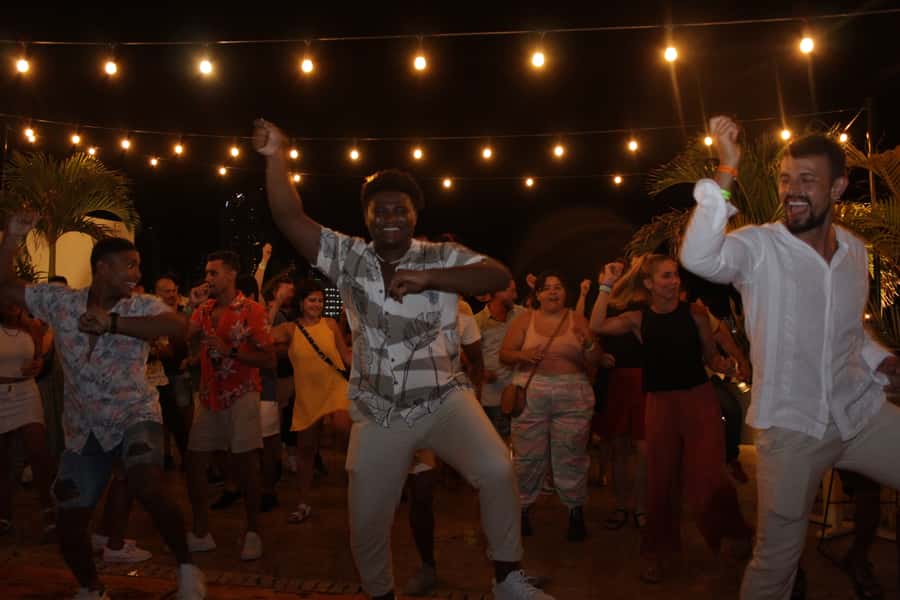
- Salsa or Champeta lesson to get the group dancing early
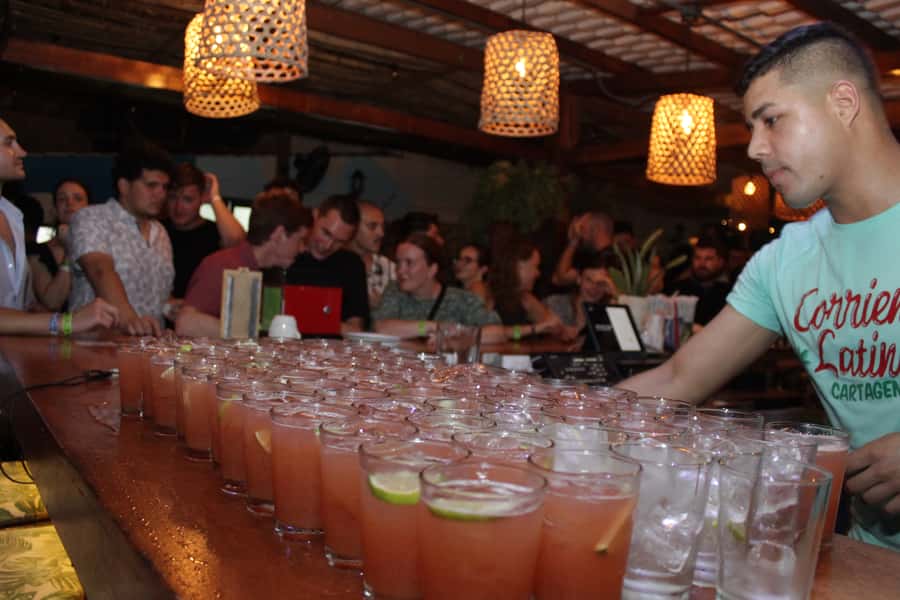
- Free shots plus drinking games, not just one or two drinks
- Live music and karaoke prizes during the crawl
- Guides keep you together and prioritize safety
How the Cartagena night starts in Getsemaní (Viajero and Masaya meetups)
This tour is set up like a proper night out, not a slow sightseeing walk. You start from one of two hostel hubs: Viajero Hostel Cartagena (Getsemaní) or Masaya Hostel. Then the group gathers for welcome energy—ice-breakers and bar games—to get you talking fast, even if you’re solo.
I like meeting at hostels for one simple reason: people are already in party mode. Reviews also highlight that guides help you feel like part of the group, with staff staying organized so everyone moves together. On nights like this, that matters. When you’re in the middle of Cartagena’s nightlife, knowing you won’t get separated is a big relief.
There’s also a clear vibe filter. It’s aimed at a young, energetic crowd (but not a kid scene—people under 18 aren’t suitable). Expect music-forward stops and a lot of “up and moving” moments right from the start.
Price and what $20 actually buys you in Cartagena
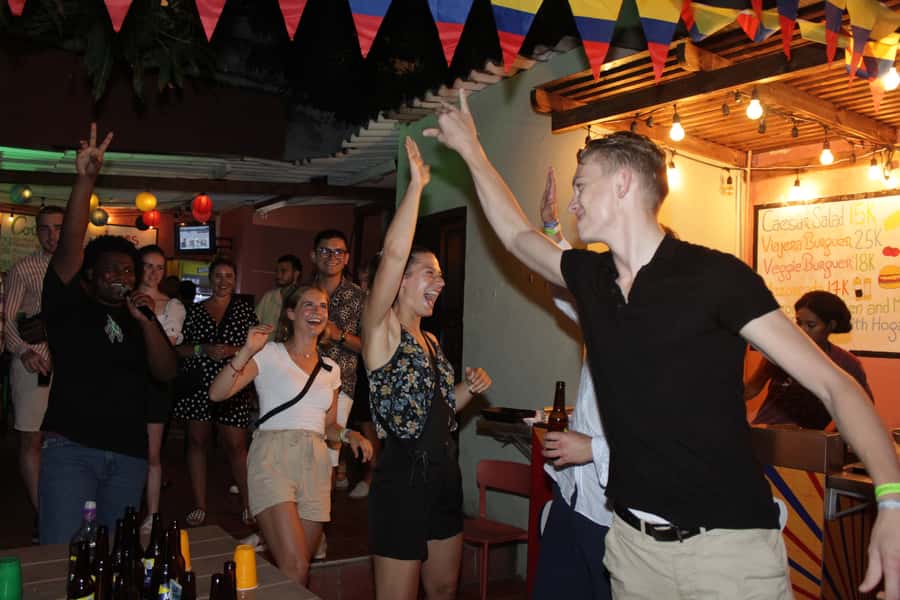
At $20 per person for about 6 hours, the big value is that you’re not paying for a bunch of separate line items. What’s included covers the expensive-feeling parts of a nightlife plan: cover fees, shots, live music, and the dance lesson. You also get exclusive discounts and promos, plus karaoke prizes when they come up.
For your money, you’re paying for three things:
- Access (cover fees and club entrances are included)
- Momentum (drinking games + guides keep the energy up)
- Structure (a fixed crawl instead of you trying to plan a last-minute bar circuit)
Yes, it’s still a drinking-focused night. If you’re not into alcohol or don’t want to participate, this tour might feel like it’s pushing the party pace faster than you want. But if you do like a lively night out, the “all-in-one” setup tends to feel worth it quickly—especially because the stops are well known nightlife venues, not just random bars.
The dance lesson: Salsa or Champeta, and how to set your expectations
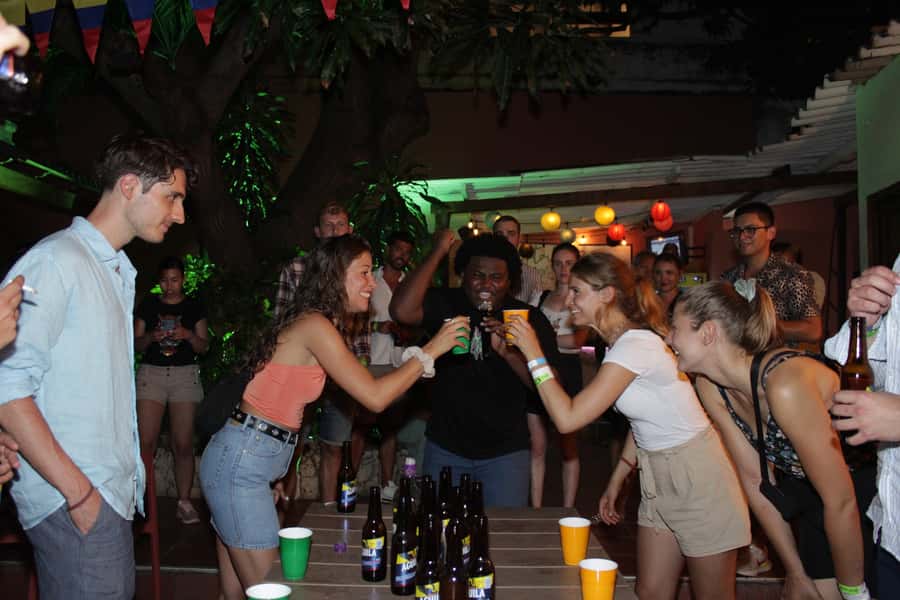
You get a lesson built into the schedule: Salsa or Champeta depending on the day and stop. Here’s the key expectation to carry: it’s designed to get a crowd dancing, not to turn you into a ballroom pro.
A lot of people come in hoping for a full, traditional salsa class. Some guests say it isn’t really salsa in the strict, technical sense—but that it still works for breaking the ice and getting everyone interacting. That lines up with how the tour is paced: you learn enough to feel comfortable on the dance floor, then you practice that energy immediately at the clubs.
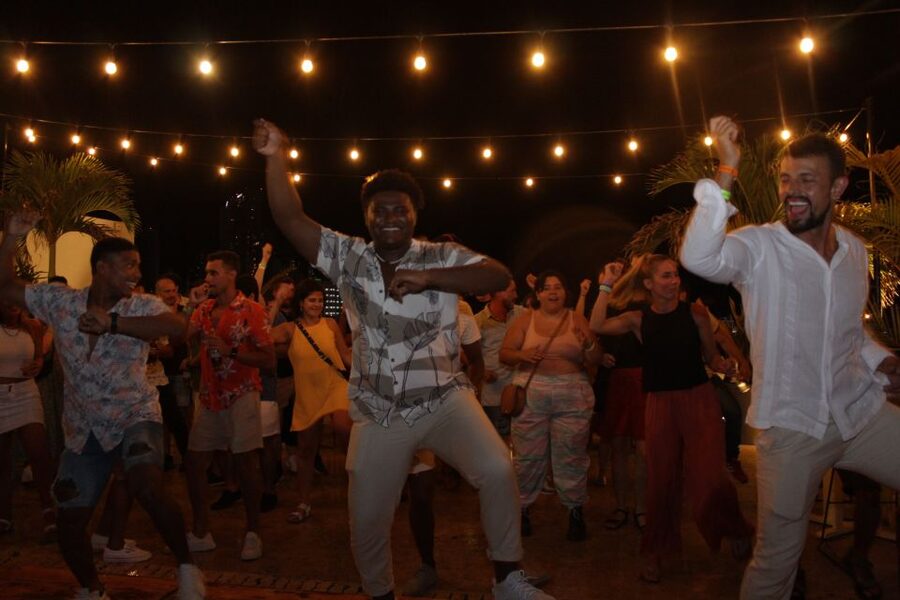
On certain days, the lesson happens in a rooftop setting at the start of the nightlife run. That’s a nice bonus because it gives you a visual and mood shift before the beat-and-bass starts. Even if you’re not a dancer, you’ll likely spend less time standing around, because the guides and music pull you in.
Also keep in mind what the guides do: they’re not passive. People specifically mention staff pushing the group to dance during classes and keeping things lively at each stop—so you’re less likely to end up drifting off into your own corner.
Stop by stop: how each venue fits the night
The exact clubs can change depending on availability or special events, but the plan always keeps the “one night, multiple atmospheres” idea. Here’s what you can expect from the route days that are offered:
Mondays: warm-up, then a tight club run
On Mondays, the group starts at Masaya Hostel. You’ll do welcome activities at the bar first—ice-breakers that actually help you meet people. After that, the crawl continues to three popular nightlife stops: Taboo, Seven Times, and Eivissa.
What this pattern means for you: it’s a cleaner, more direct night. You’re less likely to feel like you’re waiting around because the tour is built around getting from one high-energy venue to the next.
Wednesdays: class with rooftop energy, then live-music club hopping
On Wednesdays, you start at El Viajero Hostel Centro, then continue to El Viajero Getsemaní for a Salsa and Champeta dance class at the rooftop bar. That early class is a strong start because it gives the group a shared activity before you scatter into club atmospheres.
After that, you head to Libélula, Casa Palenque, and Eivissa. This day is more about variety: live music shows and local DJs show up at different stops, so the night doesn’t feel repetitive.
If you like the idea of a mid-night rhythm shift—music, then dancing, then another sound system—that Wednesday route is a good match.
Fridays: two start points, then the groups merge
Fridays run with two starting points: El Viajero Hostel Centro and Masaya Hostel. Both groups warm up with activities and a dance class at the hostel bar areas. Then both groups join together and continue to Eivissa, Mirador, and Taboo late into the night.
The practical advantage here is social momentum. Two groups start, you meet new people early, and then you expand the party when everyone meets up again.
Free shots, karaoke prizes, and the drinking-game rhythm
The tour includes shots all night, plus drinking games. This is one of the most talked-about parts of the experience, and for good reason: it turns a bar crawl into a shared event.
Here’s the thing I’d tell you upfront: you don’t just receive a shot and then move on. The experience is built so you get multiple rounds across the night, with guides encouraging the group to play games and keep the energy up between stops. Some guests love that vibe; others find it intense if they’re not expecting a shot-heavy plan.
Then there’s karaoke prizes. You might think karaoke is just a random extra, but on a tour like this it works as a social reset between clubs. It breaks the ice, gets people cheering, and helps you meet folks without having to force conversation.
The guides and safety: what “good handling” looks like in real life
Cartagena nightlife is fun, but it can also be chaotic. This tour leans into organization. You’re guided by local party staff (with English and Spanish support), and there’s safety staff plus a strong emphasis on keeping everyone together.
Some guests call out specific guide names: Camila, Marbeluz, Hugo, and Jorge or Jose. Across those experiences, the repeated theme is the same: guides push energy, but they also check that everyone stays safe and with the group.
For you, this translates into less wandering. You’re more likely to arrive at each venue together, and you’re less likely to spend the night doing the awkward solo scramble of finding your way back. A couple of guests still mention the walk between the first pub and the first club can feel long, so comfortable shoes are not optional.
Practical tips that make the night go smoother
This tour asks for a bit of readiness. Here’s what I’d do if I were packing for it:
Bring
- Cash (for anything not included and for venue extras)
- Comfortable shoes (you’re walking)
- An outfit that follows the rules (so you don’t get turned away)
Wear what’s allowed
- No sandals/flip-flops
- No shorts
- No sportswear
These rules matter because some clubs and venues can be strict at the door. If you show up in something questionable, you could lose time or get blocked at entry—exactly what you don’t want on a 6-hour schedule.
Also plan for food. Food isn’t included, so if you want to last the whole run (and enjoy it), eat something beforehand. Drinking on an empty stomach isn’t a fun strategy, and it can turn the night into damage control fast.
Who should book this Cartagena pub crawl (and who should skip it)
This is best for:
- Solo travelers who want an easy way to meet people without hunting for a group
- Friends traveling together who like dancing and don’t mind drinking games
- People who want Old City and Getsemaní nightlife with professional party hosts and multiple stops
You might skip it if:
- You don’t want lots of shots or you prefer a quieter night
- You’re uncomfortable with a young, high-energy club crowd
- You have mobility or health constraints that match the tour’s non-suitable categories (it lists people with certain age ranges, wheelchair users, pregnant women, and people with high blood pressure as not suitable, plus children under 18)
Should you book this Cartagena pub crawl?
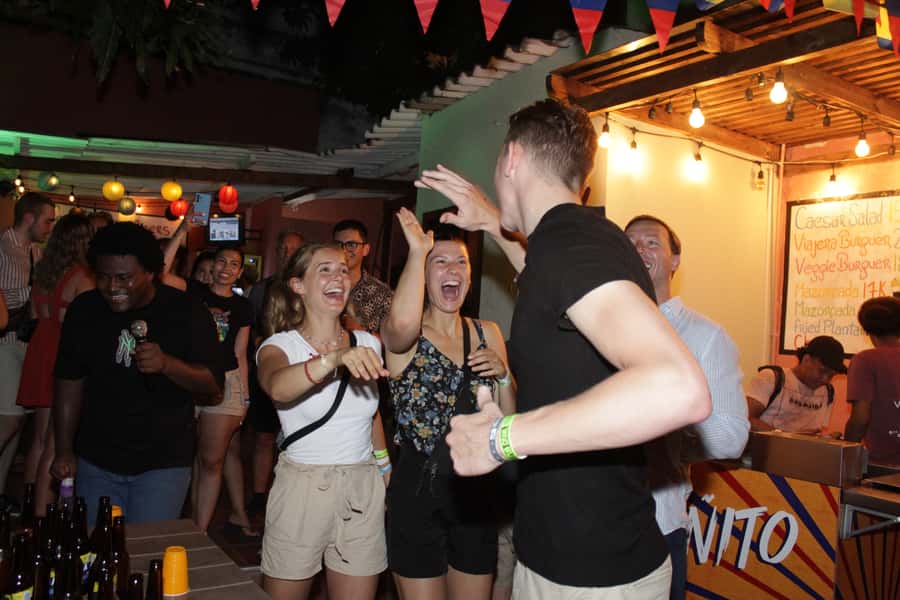
If you want a nightlife plan that’s simple, guided, and built for social energy, I think this is an easy yes. The $20 price works because it bundles the annoying parts—cover fees, shots, a dance lesson, and entry to popular clubs—so you’re not doing mental math at every door.
Book it if you like:
- Dancing (even if you’re a beginner)
- Meeting locals and international people in a structured way
- A night that moves fast and stays fun
Skip it if you want a relaxed drinks-and-chill evening. This tour is not subtle. It’s a party route with plenty of shots and a strong push to dance.
FAQ
FAQ
How long is the Cartagena pub crawl?
It runs for about 6 hours.
What does the $20 price include?
Cover fees, a salsa or champeta lesson, live music, shots, karaoke prizes, exclusive discounts/promos, and party staff.
Do I need to pay for food during the tour?
Food isn’t included.
Where do I meet the group?
You meet at one of the listed starting hostel options (Viajero or Masaya). The exact meeting point can vary depending on which option you booked.
Are there different routes on different days?
Yes. Mondays, Wednesdays, and Fridays use different starting points and different club sequences.
Do they guarantee specific venues like Taboo or Eivissa?
Venues can change depending on availability or special events, though the night is always set up as a multi-stop bar/club experience.
What’s the dance lesson like?
You’ll get a salsa or champeta lesson designed to get you dancing with the group. Some people find it more of an interaction-focused lesson than a strictly technical salsa class.
What should I bring for the night?
Comfortable shoes and cash.
What’s not allowed?
Sandals/flip-flops, shorts, and sportswear are not allowed.
Is this tour good for solo travelers?
The vibe is social by design, and solo travelers often use it as a way to meet people quickly while staying with the group.
What languages are the guides?
Guides are available in English and Spanish.